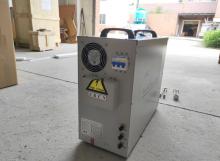
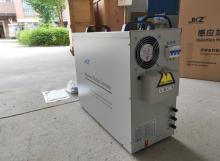
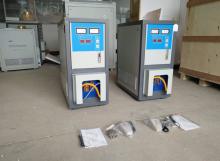
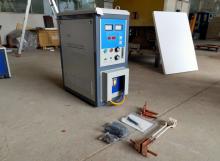
In modern industrial processing, precision, efficiency, and energy savings are no longer optional—they are essential. The ultrasonic heating machine has emerged as a breakthrough solution, offering faster heating, improved uniformity, and reduced energy consumption compared to conventional systems.
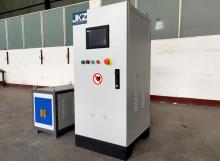
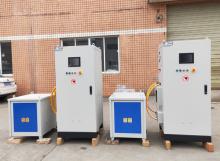
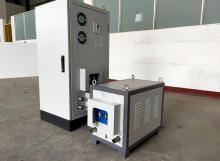
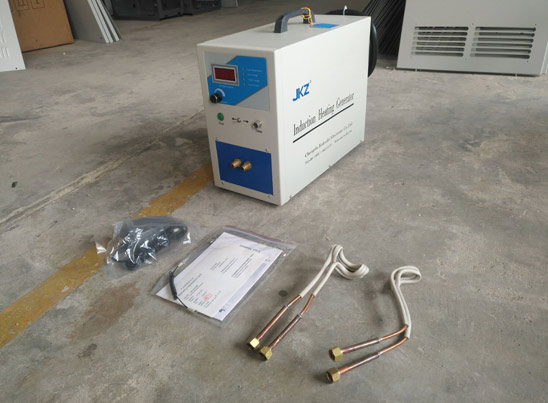
Whether you are evaluating an ultrasonic heater for manufacturing or searching for a reliable heating machine manufacturer JKZ, this guide will walk you through everything you need to know—from working principles to advantages and real-world applications.
What Is an Ultrasonic Heating Machine?
An ultrasonic heating machine is a specialized device that uses high-frequency ultrasonic vibrations (typically 20 kHz–100 kHz) to generate heat through internal friction within materials.
Unlike traditional heating systems that rely on conduction, convection, or radiation, ultrasonic heating works at a molecular level, producing heat directly inside the material rather than from the outside in.
Key Characteristics
This technology is widely used in industries such as:
Plastics and polymer processing
Textile and nonwoven bonding
Food processing
Medical device manufacturing
Electronics assembly
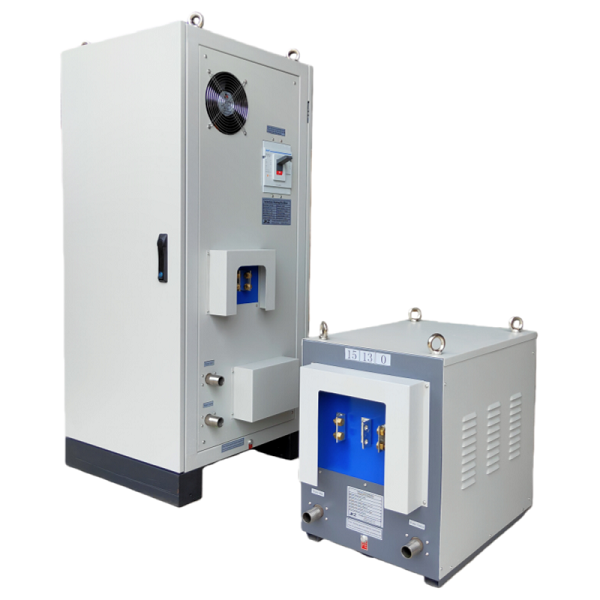
How Does an Ultrasonic Heating Machine Work?
Understanding the working principle is crucial for selecting the right system.
Step-by-Step Process
1. Ultrasonic Generator
Converts electrical energy into high-frequency signals
2. Transducer
Converts electrical signals into mechanical vibrations
3. Booster & Horn (Sonotrode)
Amplifies and transmits vibrations to the target material
4. Heat Generation
Vibrations create internal friction → molecular motion → heat
5. Controlled Heating
Heat is precisely applied where needed
Advantages of Ultrasonic Heating Machine
The growing adoption of ultrasonic heating is driven by its clear advantages.
High Energy Efficiency
Fast Heating Speed
Precision and Control
Uniform Heating
Environmentally Friendly
Reduced Material Damage
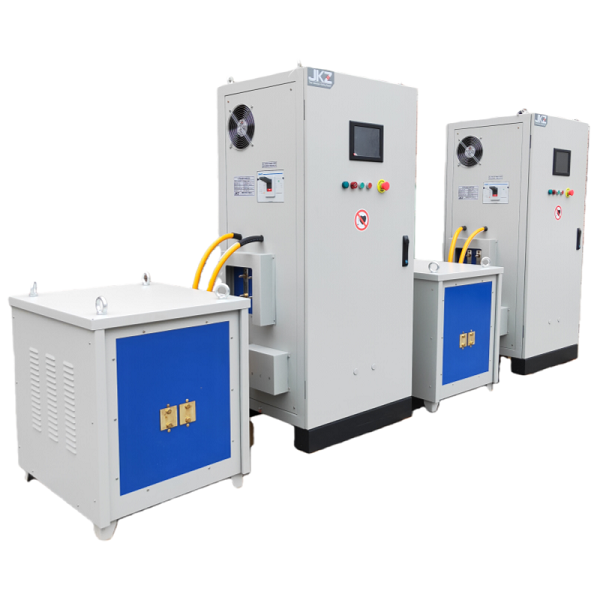
Ultrasonic Heater vs Traditional Heating Systems
| Feature | Ultrasonic Heater | Traditional Heater |
|---|
| Heating Method | Internal friction | External heat transfer |
| Speed | Very fast | Moderate to slow |
| Efficiency | High | Lower |
| Precision | Excellent | Limited |
| Energy Consumption | Low | High |
How to Choose the Right Heating Machine Manufacturer JKZ
Selecting the right supplier is critical for performance and long-term reliability.
Key Factors to Consider
Technical Expertise
Look for a heating machine manufacturer JKZ with:
Customization Options
Quality and Certification
After-Sales Support
Technical training
Maintenance services
Spare parts availability
Industry Experience
FAQs
1. Is ultrasonic heating safe for industrial use?
Yes, ultrasonic heating machines are generally safe when properly designed and operated. They eliminate open flames and reduce overheating risks.
2. Can ultrasonic heating replace traditional heating methods?
In many applications, yes. However, for large-scale bulk heating, traditional systems may still be more suitable.
3. What materials work best with ultrasonic heating?
Materials with good vibration absorption—such as plastics, polymers, and certain composites—perform best.
4. What industries benefit most from ultrasonic heating machines?
Industries requiring precision and speed—such as medical, electronics, and plastics—benefit the most.
Conclusion
The ultrasonic heating machine is transforming industrial heating by offering unmatched speed, precision, and efficiency. As industries move toward smarter and more sustainable manufacturing, ultrasonic heating stands out as a future-ready solution.
Partnering with a trusted heating machine manufacturer JKZ ensures you get not only advanced technology but also reliable support and long-term value.
 en
en  cn
cn  jp
jp  ko
ko  de
de  es
es  it
it  ru
ru  pt
pt  th
th  vi
vi  pl
pl 


 Call us on:
  Email Us:
  NO. 688th South Baoguang Road, Xindu District, Chengdu City, Sichuan Province, China