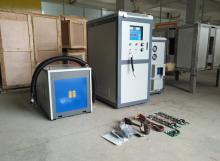
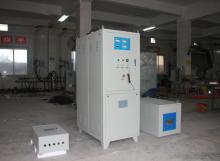
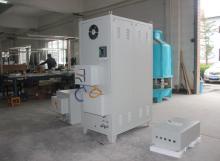
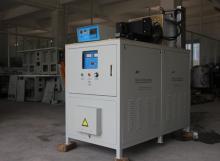
Choosing the right ultrasonic heating machine depends on your workpiece material, dimensions, required heating depth, production capacity, and process type. A properly matched system improves heating efficiency, minimizes energy consumption, reduces production costs, and ensures consistent product quality. Instead of selecting equipment based solely on power output, manufacturers should evaluate frequency range, coil design, control system, cooling method, and automation compatibility to achieve the best long-term performance.
Why Does Frequency Matter When Choosing an Ultrasonic Heating Machine?
Frequency directly affects heating depth, heating speed, and process precision.
An ultrasonic heating system typically operates at higher frequencies than medium-frequency equipment, making it suitable for applications requiring:
Higher operating frequencies concentrate energy closer to the workpiece surface, providing rapid and efficient heating while maintaining excellent process repeatability.
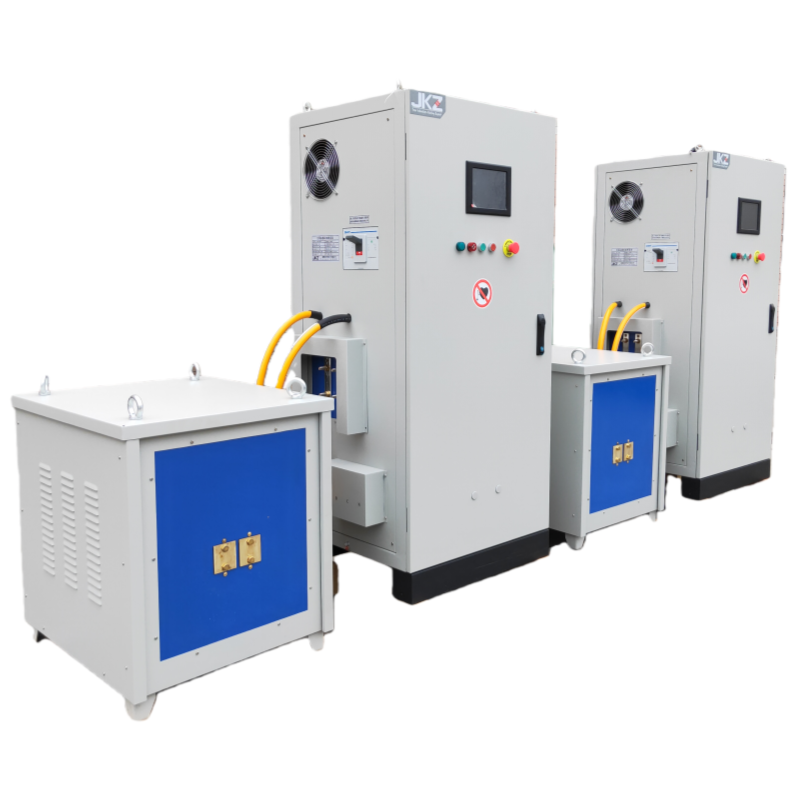
What Factors Should You Consider Before Selecting an Ultrasonic Heating Machine?
Purchasing the right ultrasonic heating machine requires evaluating the complete production process rather than focusing on equipment specifications alone.
Workpiece Material
Different metals respond differently to induction heating.
Typical materials include:
Carbon steel
Stainless steel
Alloy steel
Copper
Brass
Aluminum
Titanium alloys
Material conductivity and magnetic properties influence heating efficiency and power requirements.
Workpiece Size and Geometry
Part dimensions determine both frequency selection and coil configuration.
Consider:
Diameter
Length
Wall thickness
Complex shapes
Heating area
Larger components generally require higher power, while smaller precision parts benefit from concentrated ultrasonic heat.
Heating Process
Different manufacturing processes require different heating characteristics.
Common applications include:
Surface hardening
Annealing
Tempering
Brazing
Hot riveting
Shrink fitting
Hot bending
Localized preheating
Understanding your process helps determine the ideal power supply and induction coil design.
How Much Power Does an Ultrasonic Heating Machine Need?
Power selection should match production requirements rather than simply choosing the largest available system.
Typical considerations include:
Material type
Heating temperature
Heating time
Production volume
Workpiece mass
Choosing excessive power may increase investment costs without improving productivity, while insufficient power can reduce heating efficiency and extend production cycles.
Working with an experienced equipment manufacturer helps optimize system configuration.
Which Features Improve Heating Precision and Production Efficiency?
Modern industrial ultrasonic heating machines incorporate intelligent technologies that significantly improve process consistency.
Recommended features include:
Digital Power Control
Digital inverter systems provide:
PLC Automation
A PLC-controlled system enables:
Automation is particularly valuable for manufacturers producing high-volume components.
Intelligent Monitoring
Advanced monitoring systems continuously supervise:
Output voltage
Output current
Cooling status
Equipment temperature
Fault diagnosis
Real-time monitoring reduces downtime and improves equipment reliability.
What Type of Cooling System Is Best?
Reliable cooling directly affects equipment lifespan.
Industrial ultrasonic heaters commonly use closed-loop water cooling systems that provide:
Proper cooling also minimizes maintenance requirements.
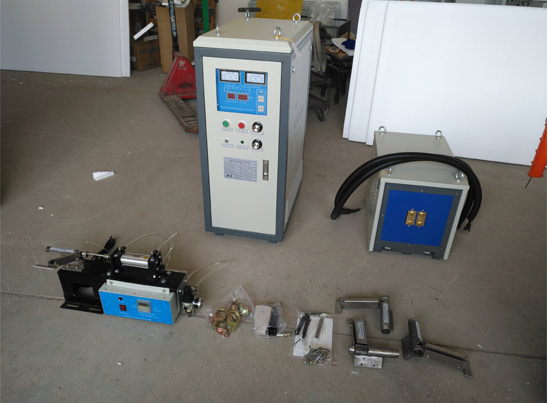
How Important Is Coil Design?
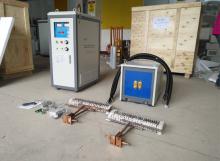
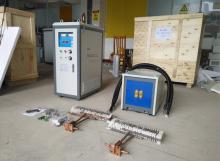
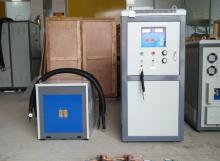
The induction coil is one of the most important components of any ultrasonic heating machine.
A custom-designed coil provides:
Coils should be designed according to:
Part geometry
Heating zone
Production speed
Material type
Even a high-quality power supply cannot deliver optimal results with an improperly designed induction coil.
Which Industries Benefit Most from Ultrasonic Heating?
Industrial ultrasonic heating technology is widely adopted across multiple sectors.
Automotive Industry
Applications include:
Gear hardening
Shaft heat treatment
Bearing heating
Fastener heating
Component assembly
Aerospace Manufacturing
Ideal for:
Hardware Manufacturing
Common applications include:
Machinery Manufacturing
Used for:
Roller hardening
Bearing production
Shaft processing
Mold manufacturing
How Can You Reduce Operating Costs?
The right ultrasonic heater contributes to lower production costs through improved efficiency.
Cost-saving strategies include:
Selecting appropriate power capacity
Optimizing induction coil design
Using intelligent temperature control
Automating production
Performing preventive maintenance
Maintaining proper cooling water quality
These measures improve energy utilization while extending equipment service life.
How Do You Evaluate Equipment Reliability?
Industrial induction heating systems often operate continuously for many hours each day.
Before purchasing, evaluate:
Manufacturer Experience
Choose suppliers with:
Extensive industry expertise
Engineering support
Successful installation cases
Global service capability
Component Quality
Reliable systems typically utilize:
Premium components reduce maintenance frequency and improve long-term reliability.
Technical Support
Professional after-sales service should include:
Equipment commissioning
Operator training
Spare parts availability
Remote technical support
Maintenance guidance
Reliable service minimizes production interruptions.
Can an Ultrasonic Heating Machine Be Integrated into Automated Production Lines?
Yes. Modern ultrasonic heating machines are designed to integrate with automated manufacturing systems.
Integration options include:
Automation increases productivity while ensuring consistent heating quality across large production batches.
Conclusion
Selecting the right ultrasonic heating machine requires balancing heating performance, process requirements, production efficiency, and long-term operating costs. The ideal solution is not simply the highest-powered system but one that matches your workpiece size, material characteristics, production volume, and desired heating process.
A high-quality ultrasonic heater equipped with intelligent digital controls, efficient cooling, customized induction coils, and automation capabilities can significantly improve product consistency, reduce energy consumption, and maximize return on investment. Partnering with an experienced manufacturer ensures the equipment is properly configured for your specific production line, delivering reliable performance for years of continuous industrial operation.
FAQ
What is an ultrasonic heating machine used for?
An ultrasonic heating machine is widely used for surface hardening, annealing, tempering, brazing, shrink fitting, hot riveting, hot bending, and localized heating of metal components in industries such as automotive, aerospace, machinery, and hardware manufacturing.
How do I choose the right power for ultrasonic heating?
Power selection depends on material type, workpiece dimensions, required heating temperature, cycle time, and production capacity. Oversized systems increase investment costs, while undersized equipment may reduce productivity.
Is ultrasonic heating more energy-efficient than traditional heating?
Yes. Ultrasonic heating transfers energy directly into the workpiece through electromagnetic induction, reducing heat loss and improving energy efficiency compared with flame or resistance heating methods.
What maintenance does an ultrasonic heater require?
Routine maintenance includes checking the cooling system, cleaning induction coils, inspecting electrical connections, monitoring water quality, and replacing worn components according to the manufacturer's maintenance schedule.
Can ultrasonic heating machines be customized?
Yes. Most industrial ultrasonic heating machines can be customized with different power ratings, induction coils, automation interfaces, cooling systems, and control software to meet specific production requirements.
 en
en  cn
cn  jp
jp  ko
ko  de
de  es
es  it
it  ru
ru  pt
pt  th
th  vi
vi  pl
pl 




 Call us on:
  Email Us:
  NO. 688th South Baoguang Road, Xindu District, Chengdu City, Sichuan Province, China