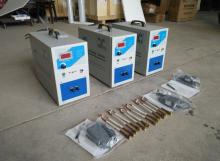
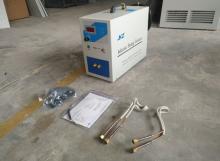
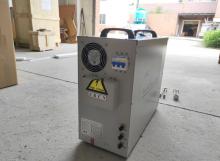
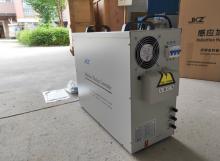
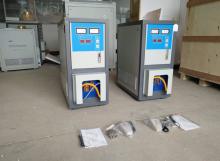
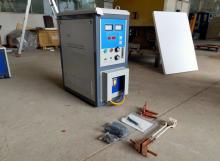
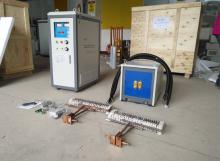
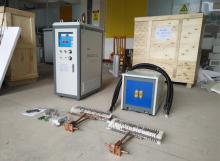
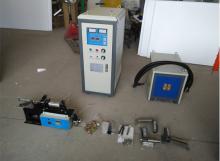
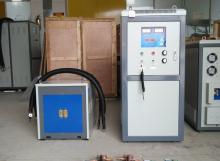
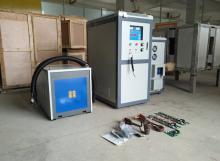
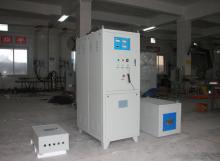
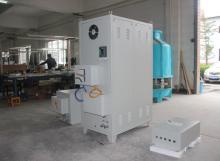
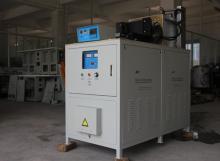
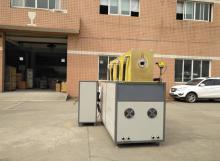
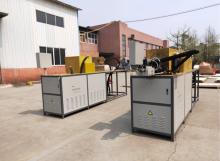
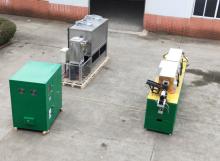
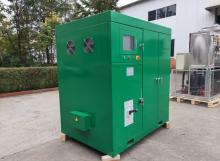
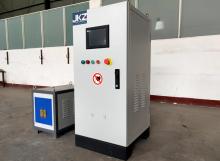
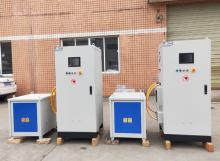
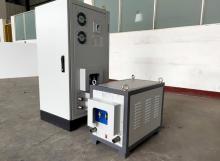
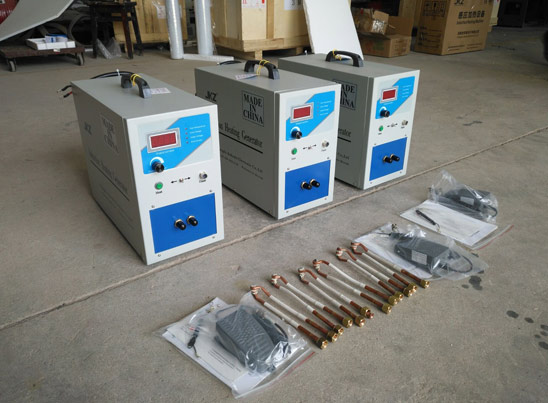
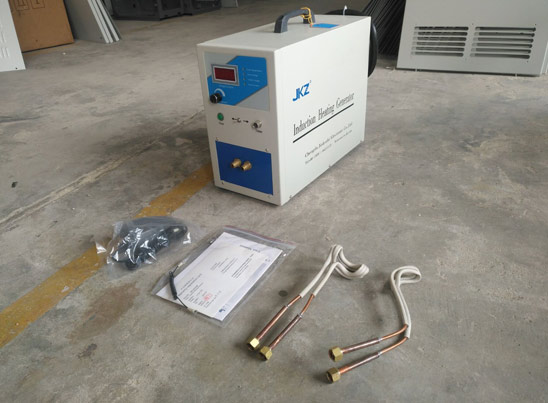
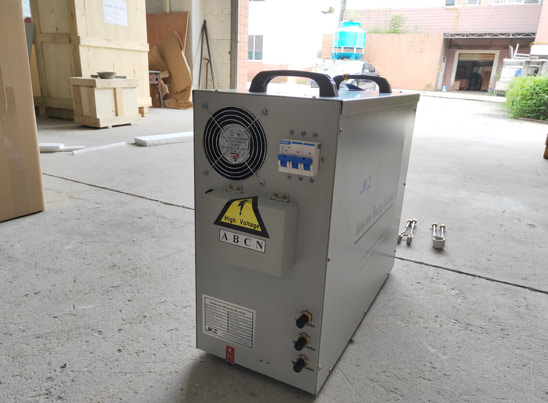
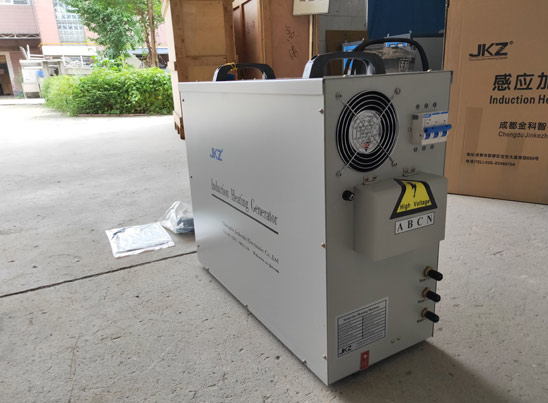
JKZ's CX series operates at 50–120 kHz and includes the CX2015A, CX2020A, CX2030C and CX2060C. When choosing a model, consider the workpiece material and dimensions, the heating task, the required cycle time and the coil arrangement. Review the specifications of each model below, or send JKZ your workpiece details for a configuration recommendation.
Advantages of JKZ High-frequency Induction Heating Equipment
Strict selection of high-quality components and optimized design scheme. After long-term use, the induction heating generator of JKZ high-frequency induction heater can still work stably and reliably.
A variety of remote control schemes can be selected, and this induction heating equipment can also allow you to control the working status of your high-frequency induction heating equipment through various signals such as on-off signals, 4-20mA, 0-10V, etc.
Equipped with a condition monitoring system (CMS), JKZ high power induction heater can alarm its users about possible equipment failures in real-time.
With a lightweight design scheme, it is convenient for customers to flexibly adjust the installation location of our high-frequency inverter for induction heating.
The induction coil of our high-frequency induction heating machine is simple to make and can be adapted to various workpieces of different shapes.
Principle Of High Frequency Induction Heating
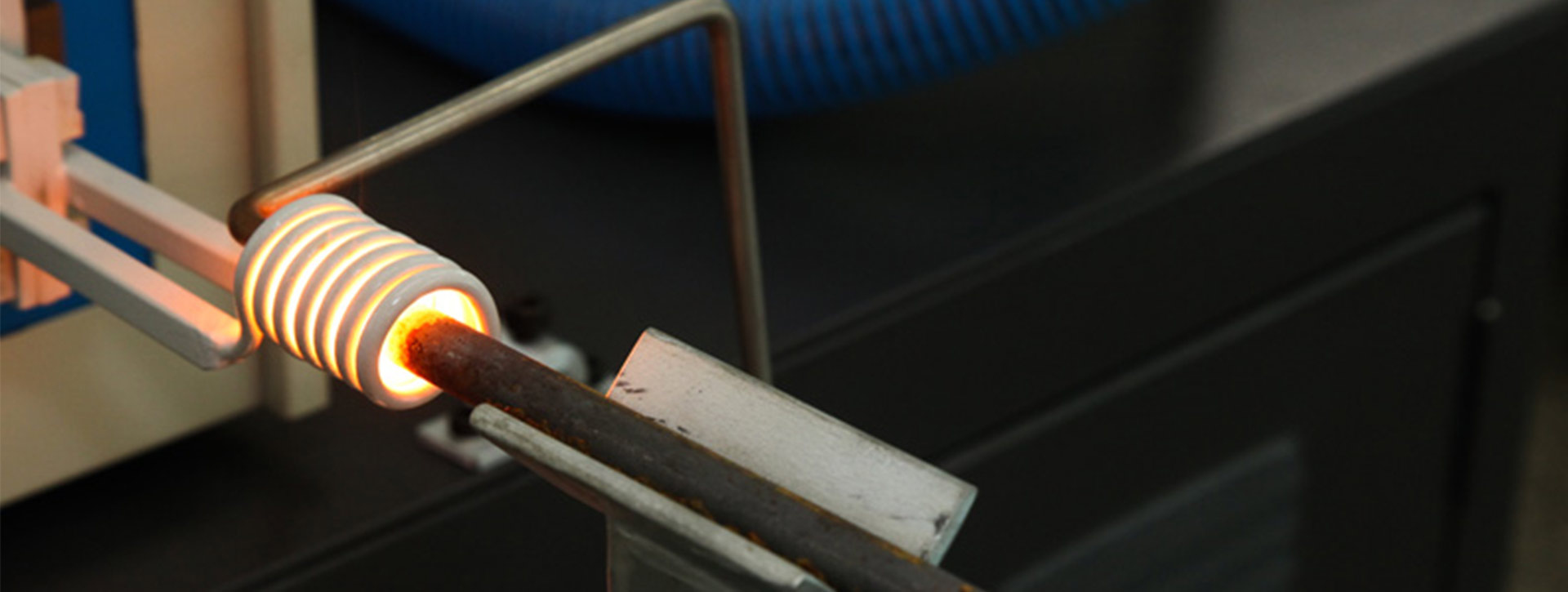
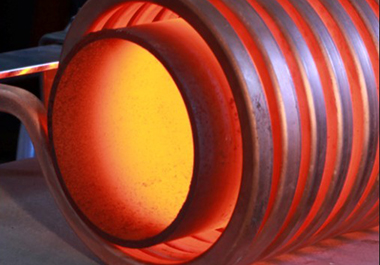
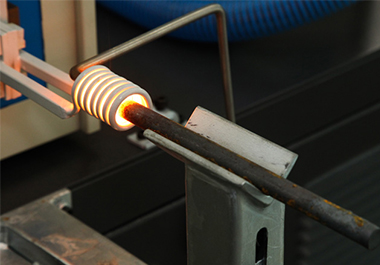
An alternating current flowing through the induction coil creates a changing magnetic field. When a conductive workpiece is placed in this field, eddy currents are induced within the material. The workpiece's electrical resistance converts the energy of those currents into heat. This allows the metal to be heated without direct contact with the coil.
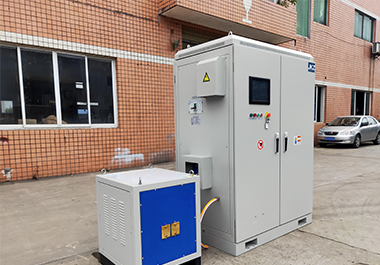
The CX series operates at 50–120 kHz. Operating frequency affects where heat is concentrated: higher frequencies generally produce a shallower heating depth, while the final result also depends on the workpiece material and shape, coil design, power and heating time. JKZ's article on how induction heating works explains the roles of the power supply, transformer and coil in more detail. These factors should be considered together when selecting a model for a specific heating task.
High Frequency Induction Heating Is Used For?
The main applicable industry range of the high-frequency induction heating machine mainly includes high-frequency wave induction, high-frequency sensing heat treatment, high-tech wave induction metal smelting, etc.
High-frequency induction heating is a process that uses an electromagnetic field to generate heat in a metal object. It is used in various industrial applications, including:
Brazing and soldering: Induction heating is used to join two metal parts by melting a solder material between them.
Heat treatment: Induction heating can be used to harden, soften, or temper metals, improving their mechanical properties.
Melting and casting: High-frequency induction furnace can melt and cast metals, such as steel, copper, and aluminum.
Welding: HF induction welding is a non-contact method of joining two metal parts by heating them to a temperature where they fuse together.
Annealing: Induction annealing is a process that heats a metal to a specific temperature and then cools it slowly, making it more ductile and easier to work with.
Surface hardening: High-frequency induction heating can be used to selectively harden the surface of a metal object, making it more wear-resistant.
Shrink fitting: High-frequency induction heating can be used to expand a metal object and then quickly cool it, causing it to contract and fit tightly onto another part.
 en
 cn
 jp
 ko
 de
 es
 it
 ru
 pt
 th
 vi
 pl

 Call us on:
 Email Us:
 NO. 688th South Baoguang Road, Xindu District, Chengdu City, Sichuan Province, China