In modern metallurgy and surface treatment engineering, induction hardening vs case hardening is one of the most frequently compared topics. Both processes aim to improve surface hardness while maintaining a tough core, but their mechanisms, equipment, energy usage, and industrial applications are significantly different.
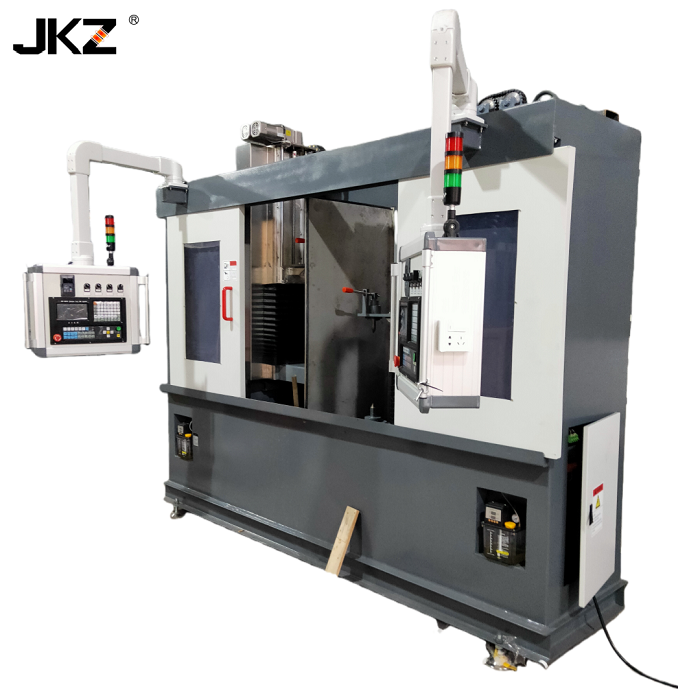
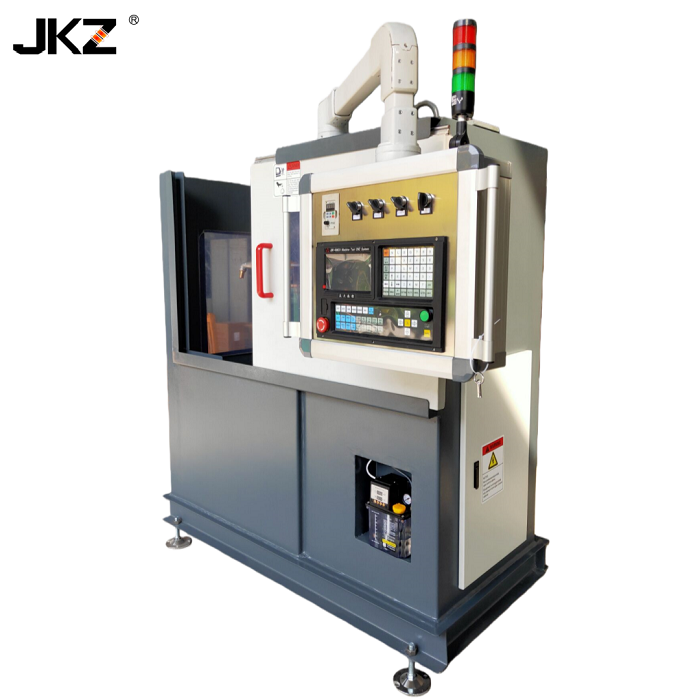
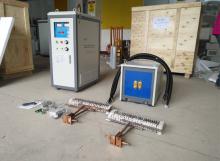
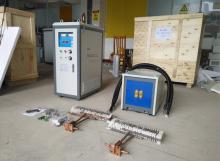
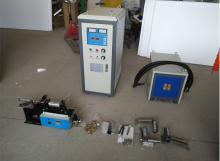
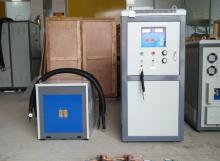
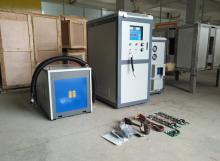
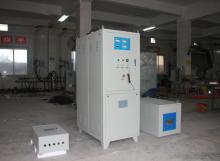
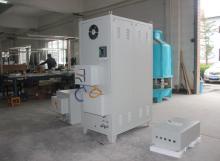
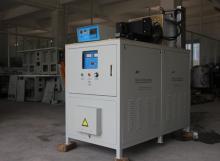
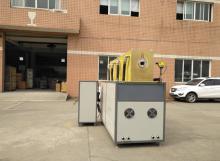
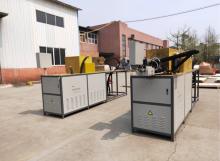
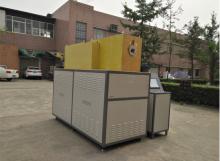
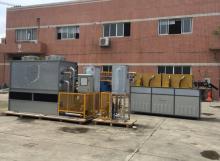
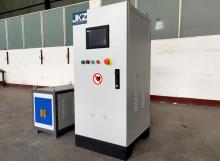
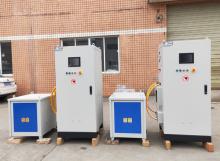
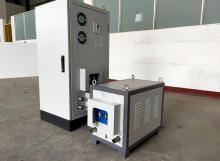
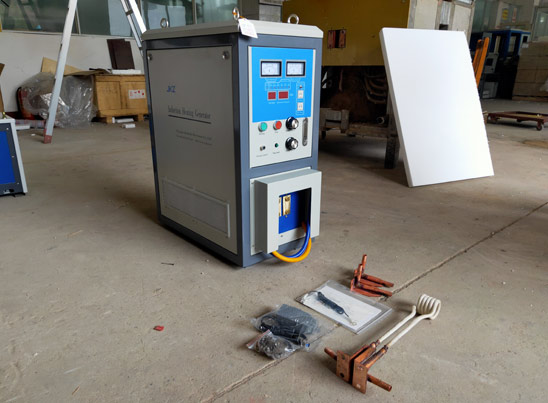
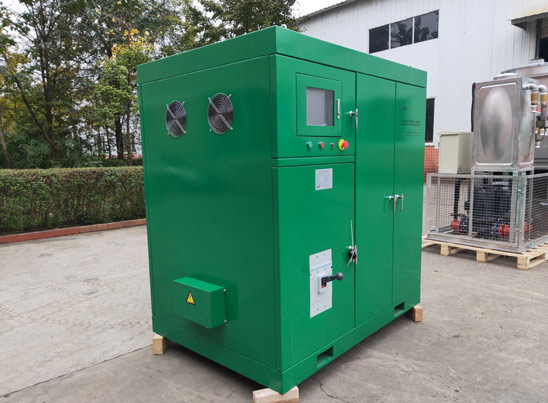
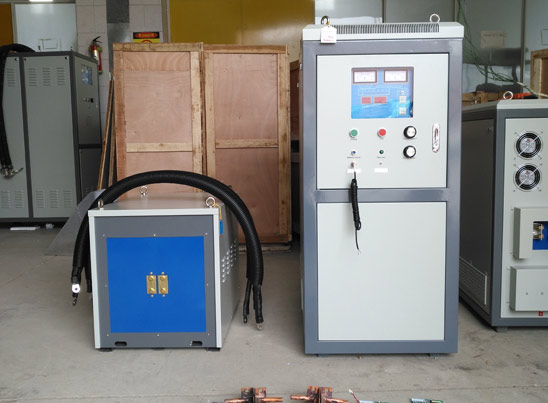
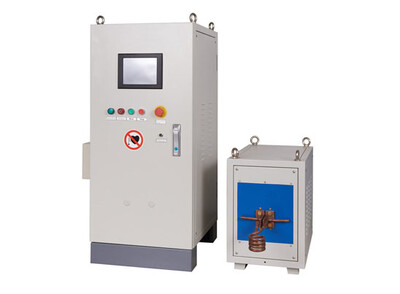
This article provides a deep technical and practical comparison of both methods, including the induction hardening principle, real-world induction hardening applications, and insights into selecting an induction hardening machine manufacturer such as JKZ, which specializes in advanced induction heating systems.
Core Principles: Induction Hardening vs Case Hardening
Induction Hardening Principle
The induction hardening principle is based on electromagnetic induction. When an alternating current passes through a copper coil, it generates a rapidly changing magnetic field. When a conductive metal part is placed inside this field, eddy currents are induced on its surface, producing heat.
Once the surface reaches the austenitizing temperature, it is rapidly quenched, forming a hardened martensitic layer.
Key characteristics:
Localized heating (surface only)
Extremely fast heating cycle (seconds)
No direct flame or contact
High energy efficiency
Case Hardening Principle
Case hardening (such as carburizing or nitriding) is a thermochemical diffusion process. The material is exposed to a carbon-rich or nitrogen-rich environment at high temperature for an extended period.
Key characteristics:
Carbon or nitrogen diffusion into surface layer
Requires long processing time (hours)
High-temperature furnace processing
Produces deep and uniform hardened case
Induction Hardening vs Case Hardening: Key Characteristics Compared
Speed and Efficiency
Induction hardening is significantly faster. It is widely used in high-volume production lines, especially in automotive and tool manufacturing.
Case hardening, while slower, is preferred when deep and uniform hardness is required.
Hardening Depth
Material Suitability
Cost and Operation
Induction hardening systems require higher initial equipment investment but lower operational cost. Case hardening requires lower initial setup but higher energy and time cost.
The above is the difference between induction hardening and case hardening. If you are interested in comparison between flame hardening vs induction hardening, please view: difference between flame hardening and induction hardening.
Induction Hardening Applications in Industry
The induction hardening applications are highly specialized and extend beyond traditional heat treatment.
Induction Preheating
Induction preheating is used before forging, welding, or forming processes.
Benefits:
Stone Saw Blade Brazing
Induction heating is widely used in stone saw blade brazing, where diamond segments are attached to steel blades.
Advantages:
Steel Melting
Induction furnaces are also used in steel melting for small to medium-scale production.
Advantages:
Clean melting environment
High temperature control accuracy
Reduced oxidation and contamination
Applications of Case Hardening
Case hardening is widely used in components requiring deep wear resistance:
Gears and gear shafts
Automotive transmission components
Bearings and heavy-duty machine parts
Structural components requiring fatigue resistance
Unlike induction hardening, it is better suited for components requiring uniform hardened layers rather than localized strengthening.
Induction Hardening Machine Manufacturer Perspective
Choosing a reliable induction hardening machine manufacturer is critical for production efficiency and product quality.
A professional manufacturer like JKZ typically offers:
Customized induction heating solutions
High-frequency and medium-frequency systems
Automated production line integration
Energy-efficient designs
Technical support and process optimization
Modern manufacturers also focus on digital control systems, allowing precise adjustment of:
This ensures consistent hardness and repeatable results across large-scale production.
FAQs
1. What is induction hardening?
Induction hardening is a heat treatment process that uses electromagnetic induction to heat the surface of a metal part, followed by rapid quenching to increase surface hardness while maintaining a tough core.
2. How does induction hardening work?
It works by generating an alternating magnetic field through an induction coil. This field induces eddy currents in the metal surface, producing heat. Once the required temperature is reached, the part is quenched to form a hardened layer.
3. What industries use induction hardening applications?
Industries include automotive manufacturing, metal processing, tooling, construction equipment, and precision engineering. Applications such as induction preheating, stone saw blade brazing, and steel melting are also common.
Conclusion
Induction hardening and case hardening both improve surface hardness, but they work in different ways. Induction hardening uses electromagnetic heating for fast, localized treatment, while case hardening relies on slow carbon or nitrogen diffusion for deeper hardness.
Induction hardening is better for fast and precise applications like preheating, stone saw blade brazing, and steel melting. Case hardening is more suitable for parts needing deep wear resistance, such as gears and shafts.
Choosing the right process depends on your production needs. Working with a reliable induction hardening machine manufacturer like JKZ can help ensure better efficiency and stable results.
 en
en  cn
cn  jp
jp  ko
ko  de
de  es
es  it
it  ru
ru  pt
pt  th
th  vi
vi  pl
pl 


 Call us on:
  Email Us:
  NO. 688th South Baoguang Road, Xindu District, Chengdu City, Sichuan Province, China