High frequency heating technology has become one of the most efficient and precise industrial heating methods in modern manufacturing. A high frequency heating machine is widely used across metal processing, automotive, hardware, and precision manufacturing industries due to its speed, controllability, and energy efficiency.
This article provides a comprehensive, HCU-friendly guide covering how it works, its advantages, applications, and how to choose a reliable heating machine manufacturer such as JKZ.
What is a High Frequency Heating Machine?
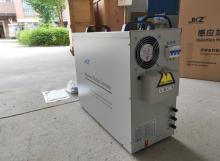
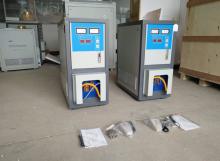
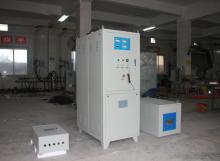
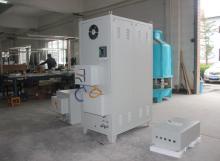
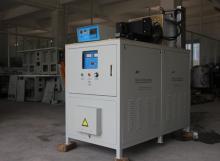
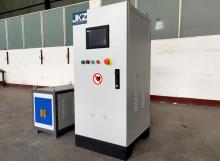
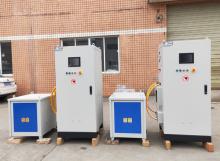
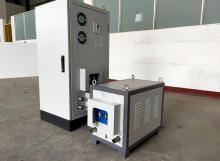
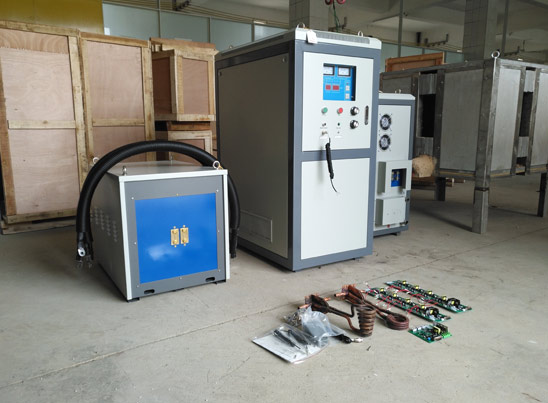
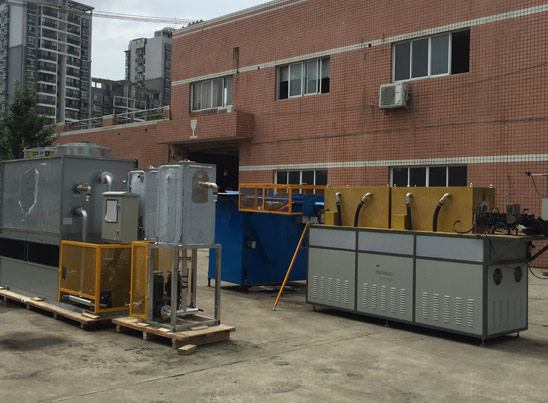
A high frequency heating machine is an industrial device that uses electromagnetic induction to heat electrically conductive materials—usually metals—by generating high-frequency alternating currents.
Instead of applying external heat (like gas or resistance heating), it directly induces heat inside the workpiece. This results in:
It is commonly used in forging, welding, hardening, brazing, and heat treatment processes.
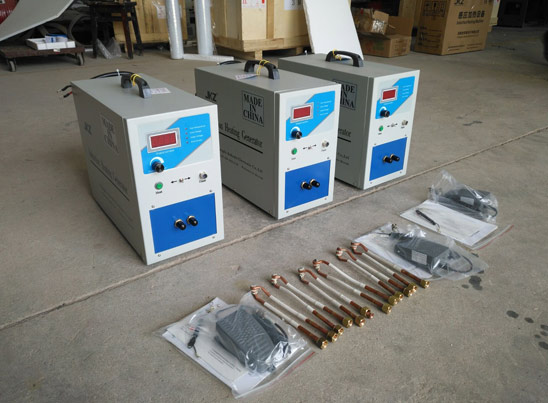
How Does High Frequency Heating Machine Work?
The working principle of a high frequency induction heating machine is based on electromagnetic induction and eddy current heating.
Working Process Explained:
Power Supply Conversion
The machine converts standard AC power into high-frequency AC (typically 10 kHz–800 kHz).
Induction Coil Generation
The high-frequency current flows through a copper coil, creating a strong alternating magnetic field.
Eddy Current Formation
When metal is placed inside the coil, eddy currents are induced within the material.
Rapid Heating
The resistance of the metal converts these currents into heat instantly.
Controlled Output
Temperature and heating depth are precisely controlled through frequency adjustment.
Advantages of High Frequency Heating Machines
A modern high frequency heating equipment system provides several competitive advantages:
Fast Heating Speed
Materials can reach target temperature within seconds, improving production efficiency.
Energy Saving
Heat is generated directly inside the material, reducing energy loss.
Precise Temperature Control
Digital systems allow real-time adjustment for consistent output quality.
Clean and Environmentally Friendly
No combustion gases or pollution emissions.
Compact Structure
Compared to traditional furnaces, equipment size is significantly smaller.
Automation Compatibility
Easily integrated into robotic production lines.
Applications of High Frequency Heating Machine
High frequency heating technology is widely applied in modern metal processing due to its fast, localized, and controllable heating characteristics. Based on industrial usage of high frequency induction heating machines, the main applications include the following core processes:
Brazing and Soldering
High frequency heating machines are commonly used for brazing and soldering of metal components. The rapid and localized heating allows precise joining of parts without damaging surrounding materials, ensuring strong and clean joints.
Heat Treatment
In heat treatment processes, high frequency heating is used to modify the internal structure of metals. It improves hardness, strength, and wear resistance while maintaining good toughness.
Melting and Casting
High frequency heating equipment can be used for small-scale melting of metals. It provides fast temperature rise and stable control, making it suitable for precision casting applications.
Welding
High frequency welding enables efficient joining of metal parts with minimal deformation. It is widely used in continuous production processes where speed and consistency are required.
Annealing
Annealing with high frequency heating helps relieve internal stress in metals and improves ductility. The process ensures uniform heating and controlled cooling for stable material properties.
Surface Hardening
Surface hardening uses high frequency heating to rapidly heat the outer layer of metal parts. This creates a hard wear-resistant surface while keeping the core material tough and ductile.
Shrink Fitting
In shrink fitting applications, high frequency heating expands metal components quickly, allowing precise assembly. Once cooled, the tight fit ensures strong mechanical bonding without additional fasteners.
FAQs
1. How to choose the right high frequency heating machine?
The right machine depends on your material type, heating depth requirements, and production capacity. You should also consider frequency range, output power, and cooling system configuration to match your industrial application.
2. What are the key components of the high frequency heating machine?
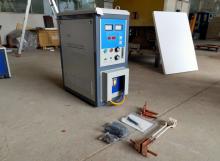
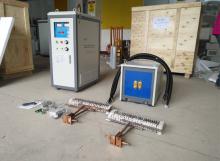
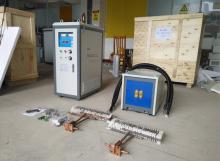
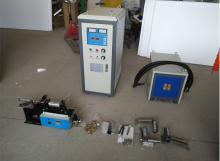
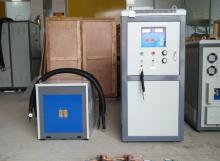
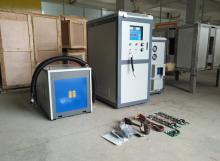
The main components include a high-frequency power supply, induction coil, cooling system, control panel, and capacitor bank. Each part works together to ensure stable energy conversion and precise heating performance.
3. What materials can be processed effectively?
High frequency heating machines are mainly suitable for conductive metals such as steel, copper, aluminum, and stainless steel. Non-metal materials generally cannot be directly heated unless combined with conductive elements.
Conclusion and Industry Insights
The high frequency heating machine is an essential technology in modern manufacturing. With its fast heating speed, precision control, and energy efficiency, it has replaced many traditional heating systems.
Industries adopting high frequency heating equipment benefit from improved productivity and lower operational costs.
Working with a reliable heating machine manufacturer JKZ ensures better system stability, customization, and long-term performance.
 en
en  cn
cn  jp
jp  ko
ko  de
de  es
es  it
it  ru
ru  pt
pt  th
th  vi
vi  pl
pl 



 Call us on:
  Email Us:
  NO. 688th South Baoguang Road, Xindu District, Chengdu City, Sichuan Province, China