Foundries reduce energy costs by adopting induction steel melting technology because it converts electrical energy directly into heat within the metal charge, eliminating many of the thermal losses associated with traditional fuel-fired furnaces. Modern steel melting machine systems also shorten melting cycles, improve temperature control, reduce oxidation losses, and integrate with automated production, helping manufacturers lower both energy consumption and total operating costs while maintaining high-quality molten steel.
Why Is Induction Steel Melting More Energy Efficient Than Traditional Furnaces?
Among the various steel melting furnace types, induction technology has become the preferred solution for many foundries seeking higher efficiency and sustainability.
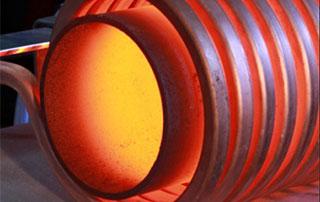
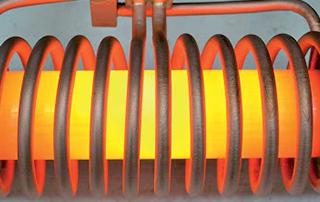
Unlike coke-, oil-, or gas-fired furnaces that first heat the combustion chamber before transferring heat to the metal, induction melting steel uses an electromagnetic field to generate heat directly inside the metal charge. This direct heating method significantly reduces heat loss to the surrounding environment.
Key energy-saving advantages include:
Direct energy transfer into the metal
Faster melting speeds
Minimal heat loss during operation
Higher thermal efficiency
Lower idle power consumption
Reduced need for furnace preheating
As electricity is converted directly into usable heat, foundries achieve greater output with lower overall energy input.
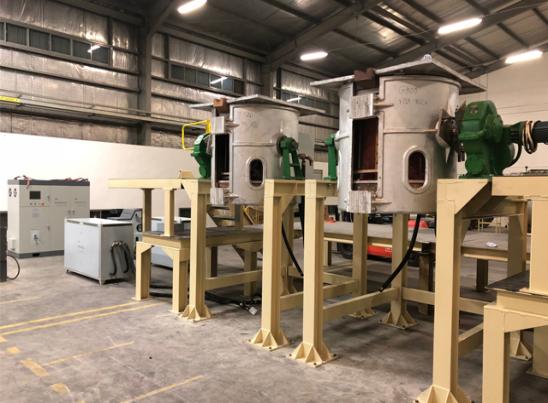
How Does an Induction Steel Melting Furnace Lower Operating Costs?
Energy savings are only one part of the overall cost reduction.
A modern steel melting induction furnace helps lower production expenses through improved process efficiency.
Reduced Metal Oxidation
Precise temperature control minimizes excessive overheating, resulting in:
Shorter Melting Cycles
Rapid heating allows more melting batches per shift, increasing production capacity without increasing energy usage proportionally.
Lower Maintenance Costs
Compared with combustion furnaces, induction systems have:
Fewer moving components
No burners
No combustion chambers
Reduced refractory wear
This decreases maintenance downtime and repair expenses.
Which Steel Melting Furnace Types Offer the Best Energy Performance?
Different production requirements call for different furnace technologies.
Common steel melting furnace types include:
| Furnace Type | Energy Efficiency | Typical Applications |
|---|
| Cupola Furnace | Moderate | Cast iron production |
| Electric Arc Furnace (EAF) | High | Large-scale steelmaking |
| Resistance Furnace | Moderate | Heat treatment |
| Gas-Fired Furnace | Lower | General melting |
| Steel melting induction furnace | Excellent | Precision steel melting, foundries, alloy production |
For small- and medium-sized foundries, the steel melting induction furnace often provides the best balance of efficiency, productivity, and operational flexibility.
Why Is Temperature Control So Important for Energy Savings?
Temperature directly affects both product quality and energy consumption.
Modern steel melting equipment uses digital power regulation to maintain precise melting temperatures.
Benefits include:
Eliminating unnecessary overheating
Preventing excessive oxidation
Reducing slag generation
Maintaining alloy composition
Improving casting consistency
Accurate control also allows operators to stop heating immediately after reaching the target temperature, avoiding wasted electricity.
Is a Small Steel Melting Furnace Suitable for Small Foundries?
Yes. A small steel melting furnace is often the most economical solution for startups, research laboratories, precision casting companies, and small production facilities.
Advantages include:
Lower initial investment
Reduced power consumption
Flexible batch production
Compact installation footprint
Easy operation
Modern compact induction systems can still achieve excellent melting efficiency while maintaining the same precise temperature control found in larger industrial equipment.
How Does Better Heat Transfer Improve Metal Quality?
Traditional combustion heating often creates uneven temperature distribution.
In contrast, induction steel melting naturally produces electromagnetic stirring within the molten metal.
This improves:
Better heat distribution also reduces remelting caused by defective castings, further lowering energy consumption across the entire production process.
What Should You Consider When Choosing a Melting Machine for Steel?
Selecting the right melting machine for steel involves more than simply matching production capacity.
Important evaluation factors include:
Production Volume
Determine daily melting capacity and future expansion plans.
Material Types
Different steel grades and alloy compositions require different heating characteristics.
Power Efficiency
Look for high-efficiency IGBT inverter technology that delivers stable power output while minimizing electrical losses.
Cooling System
Efficient water cooling enhances equipment reliability and prolongs service life.
Automation Compatibility
Modern induction systems integrate with:
Choosing the appropriate steel melting machine ensures long-term productivity and energy savings.
Why Are Modern Foundries Replacing Traditional Steel Smelting Furnaces?
Many manufacturers are replacing conventional steel smelting furnace systems because of increasing energy prices and stricter environmental regulations.
Induction technology offers several operational advantages:
Lower electricity consumption per ton of steel
Reduced emissions
Cleaner workplace environment
Lower noise levels
Improved worker safety
Better production consistency
As sustainability becomes a competitive advantage, induction melting continues to gain market share worldwide.
How Can Smart Controls Further Reduce Energy Consumption?
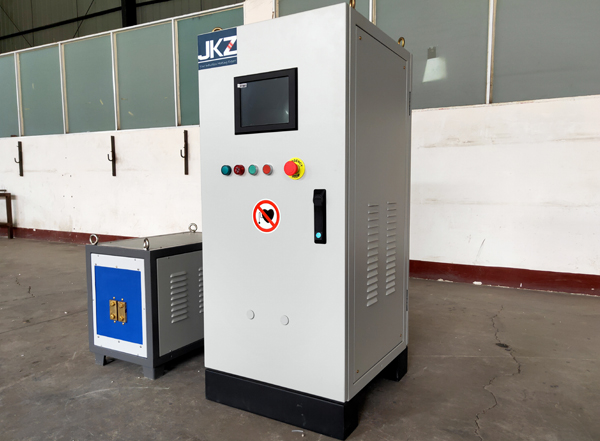
Today's steel melting furnace systems incorporate intelligent control technologies that optimize energy use throughout the melting process.
Advanced features include:
Automatic power adjustment
Temperature feedback control
Load matching
Real-time energy monitoring
Fault diagnosis
Production data analysis
These functions help operators maximize efficiency while minimizing unnecessary energy consumption.
Conclusion
Energy efficiency has become a key competitive factor for modern foundries, and induction steel melting technology provides one of the most effective ways to reduce operating costs without sacrificing production quality. Compared with traditional steel smelting furnace systems, a modern steel melting induction furnace delivers faster melting, superior temperature control, lower oxidation losses, reduced maintenance, and greater automation potential.
Whether investing in a small steel melting furnace for precision casting or upgrading to high-capacity steel melting equipment for industrial production, selecting the right melting furnace for steel can significantly improve productivity while lowering long-term energy expenses. As electricity costs and environmental requirements continue to evolve, induction-based steel melting machine solutions remain a future-ready choice for efficient and sustainable foundry operations.
FAQ
How much energy can an induction steel melting furnace save?
While savings vary depending on furnace size, operating practices, and production volume, induction furnaces generally achieve significantly higher thermal efficiency than fuel-fired furnaces by heating the metal directly and reducing heat losses.
What is the difference between induction melting and traditional steel smelting?
Induction melting steel uses electromagnetic induction to generate heat inside the metal, while traditional steel smelting furnace technologies rely on combustion or electric arcs. Induction systems provide better temperature control, lower oxidation, cleaner operation, and higher energy efficiency for many foundry applications.
Is a small steel melting furnace suitable for commercial production?
Yes. A small steel melting furnace is ideal for small foundries, precision casting workshops, universities, laboratories, and manufacturers producing specialty alloys or low-volume castings.
What factors affect the efficiency of steel melting equipment?
The efficiency of steel melting equipment depends on power supply technology, furnace design, coil configuration, insulation quality, charge material, operating procedures, and maintenance practices.
How do I choose the best melting furnace for steel?
When selecting a melting furnace for steel, consider production capacity, steel grades, energy efficiency, automation requirements, cooling systems, maintenance support, and future expansion plans. Working with an experienced equipment supplier helps ensure the furnace matches your production goals while maximizing long-term energy savings.
 en
en  cn
cn  jp
jp  ko
ko  de
de  es
es  it
it  ru
ru  pt
pt  th
th  vi
vi  pl
pl 

 Call us on:
  Email Us:
  NO. 688th South Baoguang Road, Xindu District, Chengdu City, Sichuan Province, China