 en
en  cn
cn  jp
jp  ko
ko  de
de  es
es  it
it  ru
ru  pt
pt  th
th  vi
vi  pl
pl 
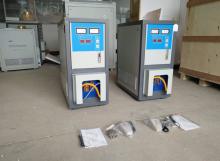
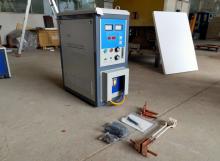
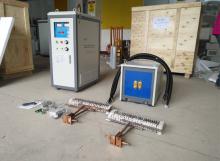
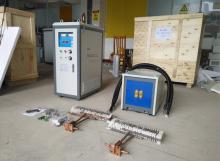
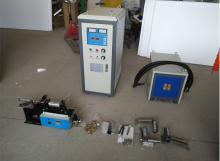
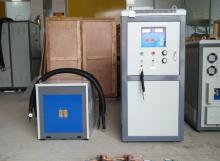
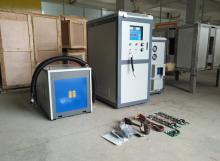
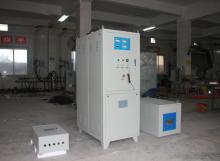
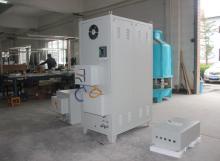
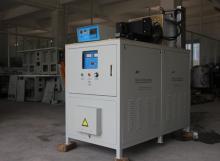
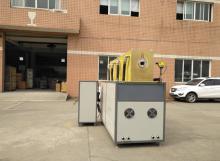
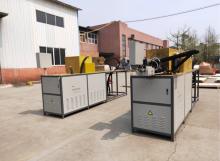
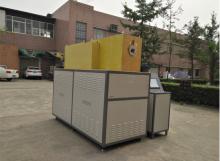
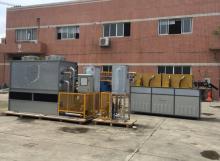
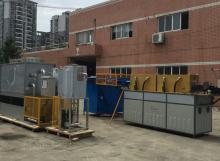
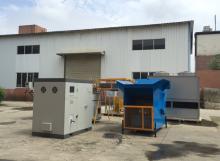
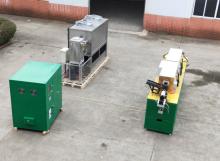
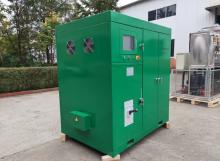
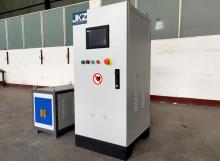
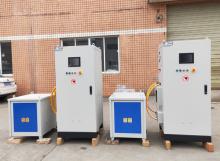
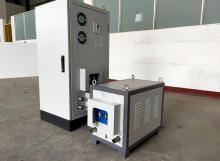
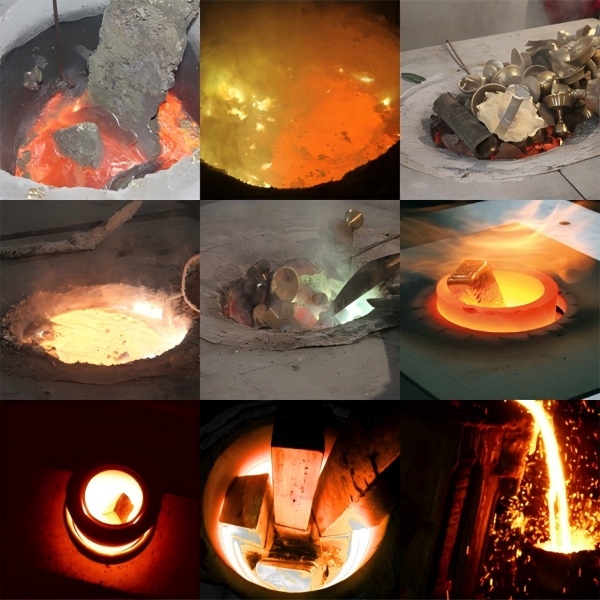
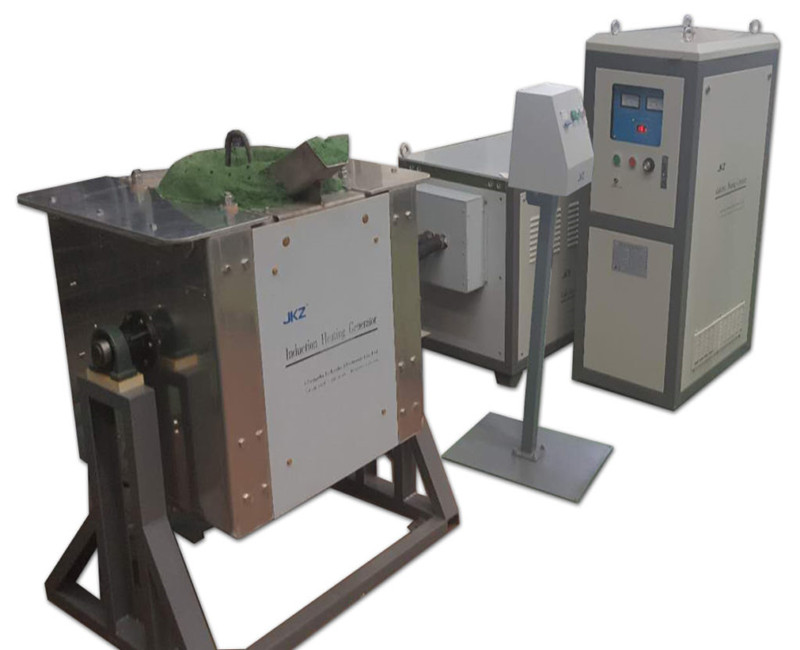
Choosing an induction melting furnace for aluminum, copper, brass, bronze, and other non-ferrous metals requires more than matching furnace capacity to batch weight. These metals differ in electrical ...

-
Products
-
Industries
- Automotive Industry
- Fastener Manufacturing
- Tube And Pipe Heating
- Railway
- Agricultural Equipment
- Wire And Cable
- Oil And Gas
- Carbide Production
- Metal And Foundry
- Jewelry And Minting
- Shrink Fitting
- Shipbuilding
- Mining
- Aviation And Aerospace
- Chemical And Pharmaceutical Industry
-
Application
- Spring Heating
- Pipe And Tube Production
- Induction Hardening
- Induction Annealing And Normalizing
- Induction Wire And Cable Heating
- Induction Preheating
- Induction Post Weld Heat Treatment (PWHT)
- Wooden Carbide Brazing
- Stone Saw Blade Brazing
- Lathe Tool Brazing
- Non-Ferrous Metal Induction Melting
- Steel Melting
- Precious Metal Melting
- Induction Shrink Fitting
-
Services
- Company
- Resources & Insights
- Contact Us
 Call us on:
  Email Us:
  NO. 688th South Baoguang Road, Xindu District, Chengdu City, Sichuan Province, China